
United Nations Declaration on the Rights of Indigenous Peoples
Big Ideas
- The United Nations Declaration on the Rights of Indigenous Peoples (UNDRIP) outlines the rights that Indigenous Peoples have.
- The UNDRIP defines and explains what Indigenous Rights are and how they are to be protected, individually and collectively.
- The UNDRIP outlines the minimum standards necessary for Indigenous Peoples’ survival, dignity and well-being.
- The UNDRIP recognizes that Indigenous Peoples are distinct and come from self-determining nations who require free, prior and informed consent when interacting with other countries, nations and foreign governments.
- Canada was the last to sign on to adopt the UNDRIP into Canada’s laws.
1 Watch the Following Videos
UNDRIP Animation
Assembly of First Nations | United Nations
How UNDRIP Changes Canada’s Relationship
UNDRIP: What You Should Know
2 Engage in Discussion
Use the following suggested prompts:
- How has the relationship between Indigenous Peoples and Canada changed?
- What are the barriers to a good relationship?
- How would UNDRIP change the relationship?
- Why is this significant?
- Why was Canada the last to sign on to adopt the UNDRIP in its own laws?
- How does UNDRIP help to advance the goals of Indigenous Peoples having autonomy over their lands and being recognized by Canada as sovereign self-determining nations?
3 Explore the UNDRIP
Have students read through the UNDRIP articles:
4 Take the Quiz
Direct students to the #Next150 Challenge – Understanding UNDRIP.
Have them take the quiz to check their knowledge and understanding after reading the articles within the UNDRIP.
5 Watch, Reflect, Create
Watch the following videos:
MP Romeo Saganash on Indigenous Rights
Chief Wilton Littlechild
Reflection Activity
Engage students in a discussion on what they heard.
Have students research who Romeo Saganash and Chief Wilton Littlechild are and create an autobiography of each based on their life and accomplishments.
You may choose to have students present their autobiographies to the class.
6 UNDRIP Article Activity
Using the articles in UNDRIP, have students work in groups to determine which articles align with the news stories below.
These are suggested news items. Teachers may also choose more recent articles.
Have Students Consider
- What is the news story about?
- What is the issue?
- Why is it important?
- How does it relate to the UNDRIP articles?
- What does it suggest about the extent to which the objectives of UNDRIP are being realized in Canada?
Possible News Articles
These article suggestions come from the existing education page.
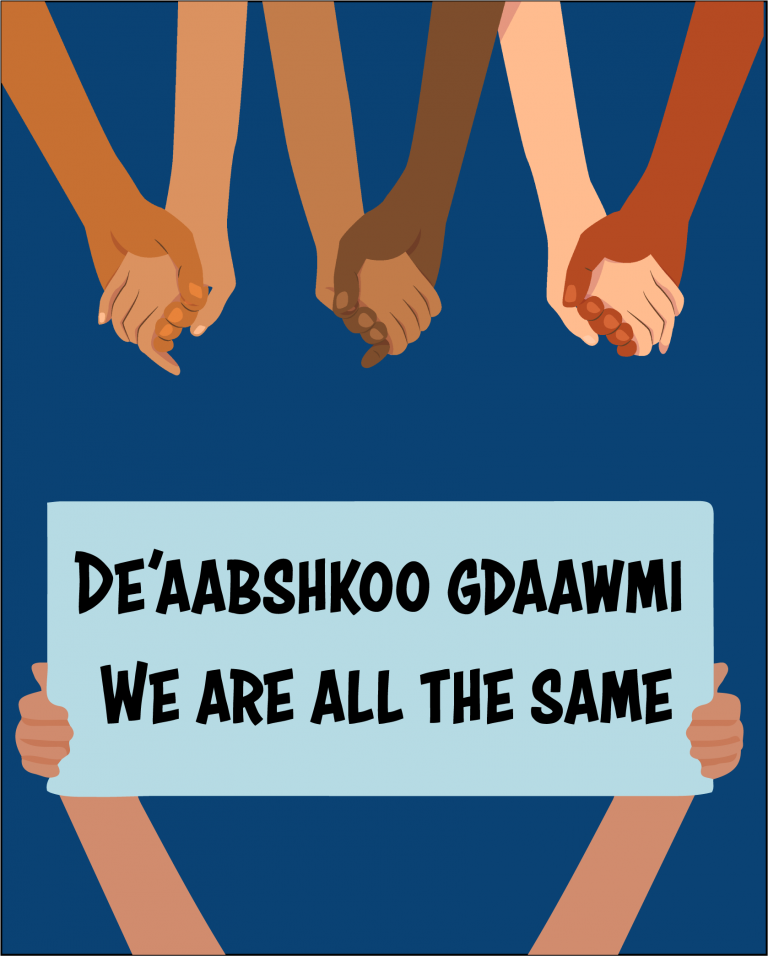
De’aabshkoo Gdaawmi – We Are All The Same
The Anishinabek Nation is committed to supporting public education and awareness on the impacts of anti-Indigenous racism.
Education tools made with First Nations support a culturally-responsive, strength-based and trauma-informed approach.
The project supports learning related to Indigenous Peoples, Treaties, Indigenous law, Aboriginal-Crown relations, human rights, anti-racism and the integration of Indigenous knowledge and teaching methods.
The online module is intended to build capacity to recognize and act to prevent Indigenous racism.